
The Practice of Positive Affirmations to Strengthen Emotional Intelligence

Understanding the Impact of Positive Affirmations
In a fast-paced society where stress and self-doubt are prevalent, the concept of positive affirmations is emerging as a beacon of hope for many individuals. These affirmations are not merely motivational quotes; they serve as powerful tools that can significantly influence one’s mental state and emotional well-being. By offering a structured way to practice self-acceptance and emotional resilience, affirmations can lead to profound personal transformation and increase overall emotional intelligence (EI).
So, what comprises a positive affirmation? At its core, a positive affirmation is a statement that reflects how you want to perceive yourself. This self-communication focuses on key areas, such as:
- Self-acceptance: Acknowledging your strengths and weaknesses, and embracing your unique qualities without judgment.
- Resilience: Cultivating the ability to recover from setbacks, thereby encouraging a mindset that views failures as opportunities for growth.
- Empathy: Enhancing your ability to recognize and understand the emotions of others, which is fundamental for building strong personal and professional relationships.
Incorporating positive affirmations into your daily routine can yield various benefits. Research has consistently shown that:
- Improved self-esteem: Regular practice of affirmations helps to cultivate a more positive self-image, allowing individuals to appreciate their worth.
- Enhanced coping strategies: Affirmations assist in developing healthier responses to stress, thus improving your ability to handle adversities.
- Stronger interpersonal relationships: By fostering a sense of empathy, affirmations encourage the development of deeper connections with others, which can lead to a fulfilling social life.
Studies from psychologists at universities such as Stanford and Harvard reveal that repeating positive affirmations can activate areas of the brain linked to self-related processing and reward. This neurobiological shift can lead to actual changes in behavior patterns and emotional responses. Through consistent practice, it’s possible to rewire negative thought patterns into positive reinforcement.
Throughout the United States, many individuals are finding that dedicating a few minutes each day to affirmations can yield remarkable results. For instance, starting the morning with statements like “I am capable of achieving my goals” or “I embrace my uniqueness” can set a positive tone for the day ahead. With each repetition, these phrases enhance your belief in yourself, paving the way for personal and professional achievements.
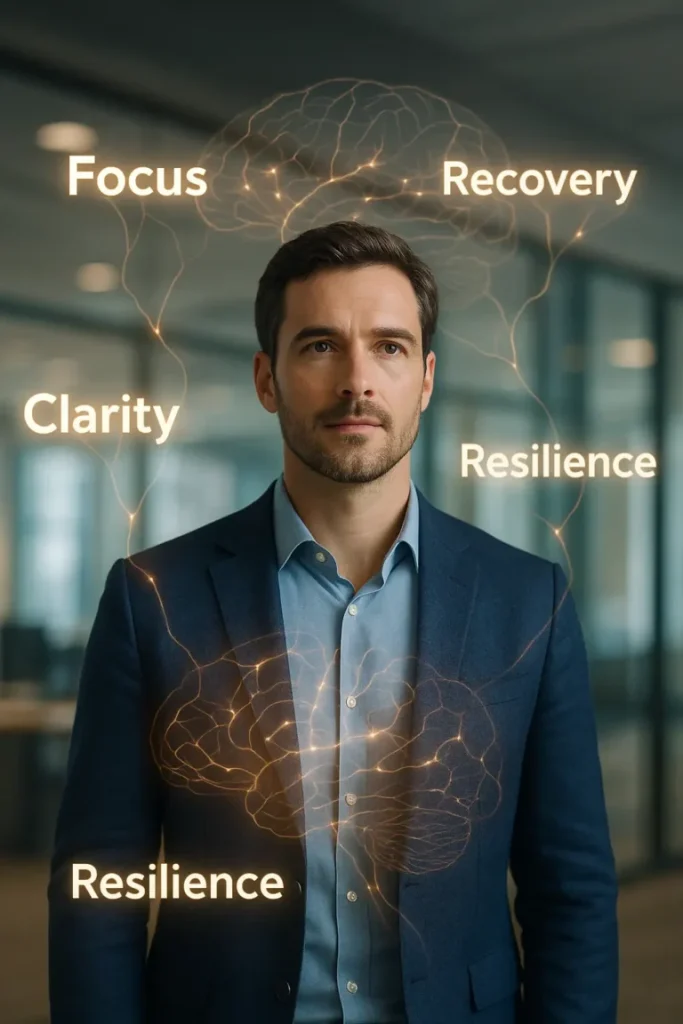
As we explore the transformative power of positive affirmations further, it becomes evident that these simple yet profound statements serve not only as tools for individual self-improvement but also as a means to enrich emotional intelligence, fostering a greater understanding of oneself and others in our complex world.
DISCOVER MORE: Click here to enhance your self-image
The Mechanisms Behind Positive Affirmations
Understanding how positive affirmations work is essential to appreciate their role in enhancing emotional intelligence. At a fundamental level, affirmations engage the brain’s neural pathways, reshaping how we perceive ourselves and our interactions with others. This transformation occurs primarily through the principles of cognitive-behavioral theory, which posits that changing negative thought patterns can lead to healthier emotions and behaviors. By replacing self-doubt with affirming beliefs, individuals can cultivate a more optimistic outlook on life.
One effective method of practicing positive affirmations is through consistency and repetition. Much like building a muscle, emotional intelligence can be strengthened through regular exercise of our affirmations. The process of vocalizing or writing down positive statements creates a tangible commitment to self-improvement. For instance, committing to daily affirmations such as “I communicate with clarity and confidence” or “I am empathetic to the struggles of others” contributes to increasing emotional responsiveness and self-awareness.
To fully harness the power of positive affirmations, it’s vital to understand their strategic application. Here are several ways to integrate affirmations effectively into your daily routine:
- Create personalized affirmations: Tailor affirmations to align with your specific emotional challenges and goals. For example, if you struggle with anxiety in social settings, an affirmation like “I engage effectively and enjoy meaningful conversations” can help target this area.
- Use visualization techniques: Pair your affirmations with vivid imagery. Visualizing success while reciting positive statements can enhance belief in their authenticity and solidify emotional reconnection.
- Establish a regular practice: Dedicate specific times during the day—such as mornings or before bed—to focus on your affirmations. This consistency leads to greater internalization and reinforced circuitry in the brain.
- Surround yourself with positivity: Incorporate affirmations into your living space by writing them on sticky notes or using them as phone reminders. Constant exposure strengthens belief systems and encourages a nurturing environment for personal growth.
Research underscores the effectiveness of this practice. A study published in the journal Psychological Science examined the impact of positive self-statements on student performance. Researchers found that students who engaged in positive affirmations experienced a significant increase in academic achievement and personal motivation. These findings illuminate the pivotal role affirmations can play not just in personal development but also in enhancing emotional intelligence, leading to better relationships and increased well-being.
Furthermore, gaining emotional intelligence through the consistent practice of affirmations can have profound implications in the workplace. Employees who exhibit higher emotional intelligence tend to demonstrate superior leadership qualities, better collaboration, and improved conflict resolution skills. Therefore, fostering a culture that encourages the practice of positive affirmations can be influential in enhancing employee interaction, job satisfaction, and overall organizational health.
The Practice of Positive Affirmations to Strengthen Emotional Intelligence
Positive affirmations are more than just uplifting phrases; they serve as powerful tools for enhancing emotional intelligence. By consistently repeating affirmations, individuals can reshape their thought patterns, leading to significant improvements in self-awareness, empathy, and emotional regulation. These enhancements can transform not only personal relationships but also professional interactions.
Implementing the practice of positive affirmations begins with identifying specific areas for growth within one’s emotional intelligence. For instance, someone might focus on affirmations that boost self-esteem and confidence. This sets the foundation for developing a deeper understanding of emotions and reactions, both in oneself and others.
Moreover, positive affirmations can be tailored to address specific emotional challenges, such as fear of failure or anxiety in social interactions. Affirmations like “I approach challenges with calm and confidence” foster a mindset that is resilient and prepared to handle emotional setbacks. This practice not only aids in personal growth but also enhances the ability to empathize with others, enriching relationships.
To illustrate, numerous studies indicate that individuals who engage in regular affirmation practices exhibit greater resilience and lower stress levels. This correlation highlights the role of emotional resilience in forming connections with others. Furthermore, these affirmations help create a more positive internal dialogue, replacing self-doubt with confidence, which serves as a strong pillar of emotional intelligence.
| Category | Benefits |
|---|---|
| Self-awareness | Encourages reflection on emotions and behaviors, paving the way for better self-understanding. |
| Empathy Development | Encourages connection with others, enhancing understanding of diverse emotional experiences. |
Incorporating positive affirmations into daily routines opens pathways for deeper emotional engagement, allowing for enriched interpersonal interactions. By fostering a positive mindset, we can cultivate emotional intelligence that not only benefits ourselves but also enhances our relationships and collective emotional well-being.
DISCOVER MORE: Click here to enhance your self-esteem
Affirmations as a Catalyst for Emotional Resilience
Beyond their immediate effects on self-perception, positive affirmations serve as a catalyst for emotional resilience, enabling individuals to navigate life’s challenges with greater ease and confidence. Research indicates that individuals who practice affirmations exhibit reduced stress levels and increased coping skills. This ability to bounce back from adversity is crucial in cultivating emotional intelligence, which is all about understanding and managing one’s emotions as well as empathizing with others.
One compelling aspect of using positive affirmations is their alignment with the growth mindset, a concept popularized by psychologist Carol Dweck. When we adopt a growth mindset—believing that our abilities and intelligence can improve over time—we often become more resilient in the face of difficulties. By frequently affirming our potential and capacity to learn, we can train ourselves to approach setbacks as opportunities for growth. Affirmations like “I embrace challenges and learn from setbacks” can empower individuals to shift their mindset and improve their responses to emotionally taxing situations.
The Connection with Mindfulness
Incorporating mindfulness practices with positive affirmations can significantly enhance emotional intelligence. Mindfulness, the practice of staying present and fully engaging with the moment, allows individuals to observe their thoughts and feelings without judgment. When paired with affirmations, mindfulness can deepen the impact of the affirmations, making them more authentic. For example, as you recite an affirmation such as “I am worthy of love and respect,” taking a moment to reflect on what that means personally can solidify the concept. This combination fosters a heightened awareness of emotional triggers, promoting greater emotional regulation and empathy towards others.
Moreover, integrating positive affirmations into group settings can bolster collective emotional intelligence. In workplaces or educational environments, group affirmations—statements that the team can say together—can enhance group cohesion and effectively build a supportive atmosphere. For instance, affirmations like “We collaborate effectively, respecting each other’s perspectives” can unify a team around shared goals and foster accountability and mutual support.
Overcoming Obstacles to Affirmation Practice
Despite the benefits, some individuals may struggle with implementing positive affirmations due to skepticism or deeply ingrained negative beliefs. However, overcoming these obstacles is a crucial step in developing emotional intelligence. Acknowledge the discomfort that comes with asserting positive statements and understand that these feelings may signify the very transformation you need. Utilizing affirmations in conjunction with reflection can gradually shift perceptions. For example, when confronted with doubt, asking “What evidence do I have that contradicts this negative belief?” can serve as a reality check that opens the door for acceptance of empowering assertions.
Incorporating technology can also enhance affirmation practices. Apps dedicated to mindfulness and personal development often include features for setting reminders for affirmations, allowing users to consistently engage with their emotional growth journey. This technological embrace can remind individuals that strengthening emotional intelligence is a progressive and iterative process requiring their active participation.
Ultimately, the practice of positive affirmations is a powerful tool that, when incorporated thoughtfully, can lead to profound changes in emotional intelligence. As individuals rewire their thoughts and face life’s challenges with renewed vigor, the ripple effects can enhance personal well-being, foster healthier relationships, and contribute to a more emotionally intelligent society.
DISCOVER MORE: Click here to learn about the power of positive affirmations
Conclusion
The integration of positive affirmations into daily routines can be a transformative practice that significantly boosts emotional intelligence. By consistently affirming their abilities and worth, individuals can foster a deeper understanding of themselves and enhance their capacity to empathize with others. This journey of self-exploration not only promotes personal growth but also cultivates resilience in the face of challenges, encouraging a dynamic shift towards a growth mindset.
Moreover, the synergistic effect of combining positive affirmations with mindfulness practices creates a more robust foundation for emotional regulation. Individuals can learn to navigate their emotional landscapes, leading to better relationships and a greater sense of community. Utilizing group affirmations can further enhance collective emotional intelligence, reinforcing unity in various environments such as workplaces and educational institutions.
Challenges may arise in the form of skepticism or deeply embedded negative beliefs. However, by acknowledging these hurdles and consistently practicing affirmations, individuals can work towards reprogramming their mindset. Such a commitment not only improves personal well-being but also contributes to a more emotionally attuned society.
As research continues to affirm the benefits of this practice, it becomes increasingly clear that positive affirmations are not merely a trend, but a powerful strategy for cultivating emotional intelligence. Through persistent application and a willingness to embrace change, individuals have the opportunity to unlock profound improvements in their emotional landscapes and interpersonal interactions.